-
 0
0Shop Towbars and Towing Accessories Online – Australia-Wide Delivery


Towing a big caravan and noticing the back of your vehicle sitting low while the front feels light? A weight distribution hitch could be the missing piece. Correctly selected and set up, it helps spread the towball load more evenly across your vehicle and trailer, so the whole combination sits and handles the way it should.
We stock weight distribution hitches and towing accessories from trusted brands, including Hayman Reese, Mister Hitches and Pro Series. You'll find complete hitch systems, replacement parts and sway control gear here, with delivery Australia-wide and a team that's happy to talk it through if you're not sure where to start.

Browse complete systems, spring bars, replacement parts and sway control accessories below. Each listing includes the specs you'll need, so you can compare options and find the right fit for your setup.

Save time and guesswork looking for the right towbar. Use our handy registration or VIN lookup to identify your car, or select your model from our part finder, and we'll only show you the products that fit. Simple!
Think of a weight distribution hitch (WDH) as a way of sharing the load.
When you hook up a caravan or heavy trailer, the downward force on the towball pushes the rear of your vehicle down. As the back settles, the front axle loses some of the weight it normally carries, which can leave the steering feeling lighter and the front wheels with less grip.
A WDH uses spring bars and a purpose-built hitch head to apply leverage between your vehicle and trailer. Set up correctly, it shifts some of that load forward again and brings the combination back into better balance.
You'll mostly see them on larger caravans and heavier trailers, where the vehicle and trailer manufacturers allow or recommend them.
A weight distribution hitch won't increase your vehicle's legal towing capacity, maximum towball download, gross vehicle mass (GVM), gross combination mass (GCM) or axle-load limits. Those numbers stay exactly where the manufacturer set them.
A conventional WDH has spring bars running from the hitch head back to brackets or chains on the trailer's A-frame.
Put tension on those bars and they act like a lever, taking some of the load off the rear of your vehicle and spreading it across the combination.
Matched and adjusted correctly, a WDH can help:
What it can't do is make up for poor loading, tired suspension, the wrong tyres or going over your vehicle's rated capacities. Get those basics right first.
And always follow the instructions from your vehicle, towbar, trailer and hitch manufacturers.

Every towing setup is a bit different, so we've sorted our range by category to help you find what you need faster.

Intermediate weight distribution gear for setups that sit within the manufacturer's stated operating range. Check the range listed on each product before you buy.
Shop Intermediate Hitches
600lb-rated systems from well-known towing brands. Each product has its own operating range and compatibility requirements, so have a look at the details before you order.
Shop 600lb Hitches
800lb-rated systems for compatible towing combinations. The right pick comes down to your loaded trailer's actual ball weight and the specs of your whole setup.
Shop 800lb Hitches
1200lb-rated systems for applications within their manufacturer's stated limits. Bigger isn't automatically better here. A higher-rated spring bar won't suit every caravan or trailer.
Shop 1200lb Hitches
Friction and dual-cam sway control products that help manage trailer sway when they're installed and used according to the manufacturer's instructions.
Shop Sway Control
Replacement spring bars, brackets, chains and other components to keep your existing system in good working order.
Shop Spare PartsPicking a WDH isn't about grabbing the highest spring-bar rating on the shelf.
The right system has to suit your trailer's actual loaded towball weight, your vehicle, your towbar and the layout of your trailer's A-frame. Here's what to look at before you buy.
Your towball weight on paper and your towball weight on the day can be two very different numbers.
Full water tanks, gas bottles, batteries and whatever's packed in the front boot all add to the load on the coupling. Weigh it properly, with the trailer loaded the way you normally travel, so you're working from a real figure.
Not every vehicle or towbar can be used with a WDH.
Some manufacturers set specific conditions, and some don't allow them at all. Check your owner's manual and towbar documentation before you fit anything.
Most systems need brackets, chains or other hardware mounted on the trailer's A-frame.
Gas bottles, jockey wheels and toolboxes can all get in the way. Measure up and check the system's installation requirements before you commit.
Choose a hitch with an operating range that suits your trailer's actual loaded ball weight.
A system rated too light or too heavy for your setup won't work the way it should. Let the product's rating, instructions and compatibility requirements make the final call.
Our team can help you compare options based on your vehicle, trailer and loaded towball weight.

They often get mentioned in the same breath, but they do different jobs.
A WDH spreads load across the towing combination using leverage from its spring bars and hitch assembly. Its main job is load distribution. It isn't a fix for sway.
Sway control gear helps resist or manage side-to-side trailer movement. Depending on the system, that could be friction-based or another mechanical arrangement.
Plenty of setups run both together, but the equipment needs to be designed and approved to work as a pair.
Neither system will make an overloaded, poorly balanced or unsuitable towing combination safe. If your van keeps swaying, find out why rather than masking it with more gear.
How well a WDH performs comes down to how it's fitted and adjusted. Every manufacturer has its own procedure, but these steps apply to most conventional spring-bar systems.
Before anything goes on, check that your vehicle, towbar, trailer and hitch system all work together. Confirm the trailer's loaded weight and towball weight, and make sure you're inside every applicable limit.
Fit the hitch head, spring bars and A-frame brackets following the manufacturer's instructions for your specific system. Check coupling height, mounting clearances and the position of anything else on the A-frame.
Work through the manufacturer's adjustment procedure and measurements on level ground. Confirm the combination stays within your vehicle and axle-load limits, and recheck the setup any time your trailer's loading changes significantly. Packing differently for a long trip counts.
Always use the instructions that came with your hitch. This overview is a general guide, not a replacement for them.

Every towing combination asks something different of your vehicle, depending on the trailer's size, loaded weight, coupling and how the load is spread.
For some compatible setups, a WDH is part of doing the job properly. But not every caravan or trailer needs one, and not every vehicle manufacturer permits one.
Whether you're planning a lap of the country or setting up the trailer for weekend trips, start with your vehicle and trailer manufacturers' requirements and work out from there whether a WDH belongs in the picture.
Need a towbar too? Browse our full range of towbars online, including TowRite, made right here in Brisbane.
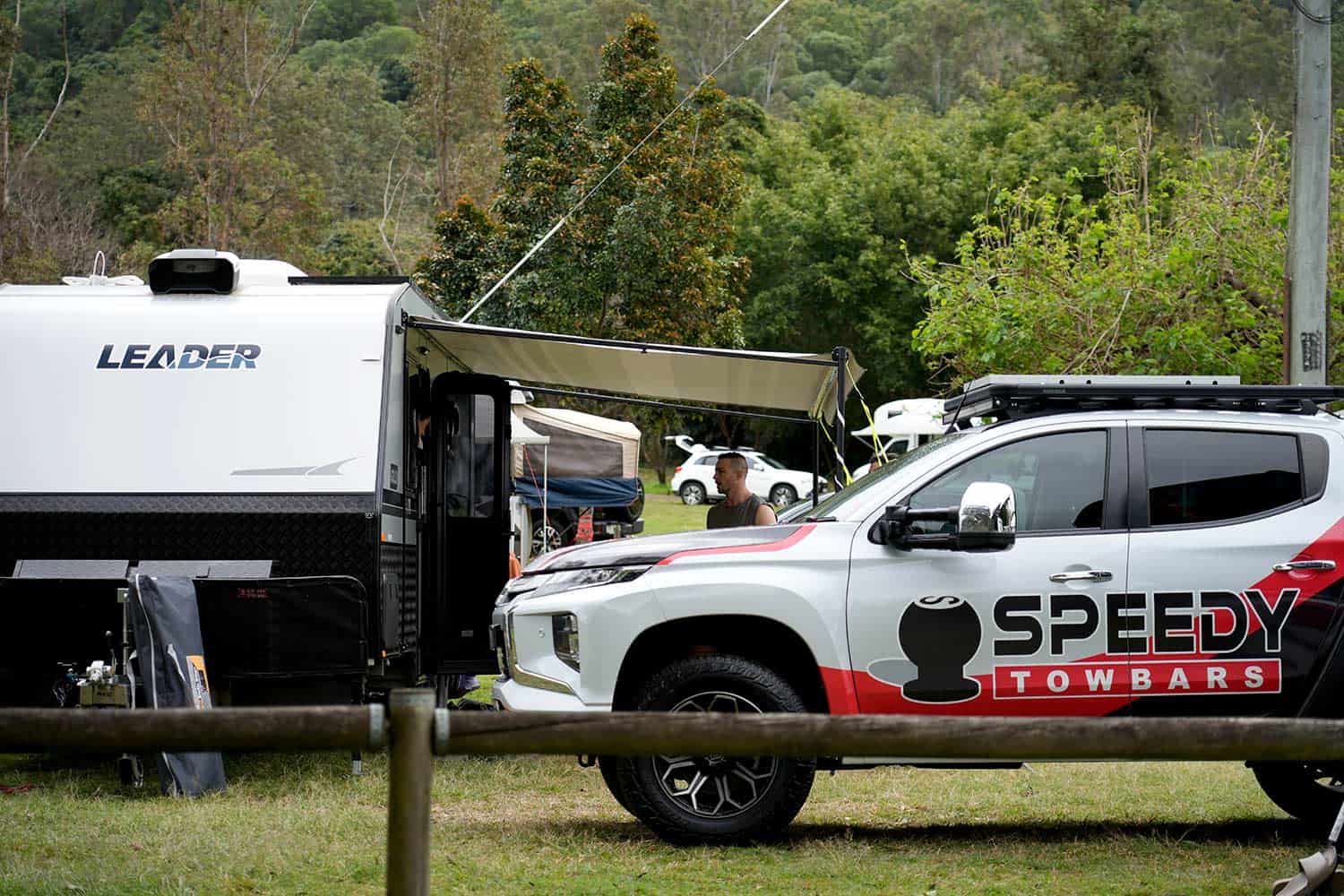
We stock weight distribution hitches and accessories from names caravanners know, including Hayman Reese, Mister Hitches and Pro Series.
Starting from scratch or replacing a worn spring bar? You'll find complete kits, individual components and sway control gear all in one place.
We've been in the towing game since 2003. Our team knows the practical side of setting up Australian vehicles, caravans and trailers, and we're always happy to share what we know.
Compare products, check the specs and order online, with delivery right across Australia.
It uses leverage from spring bars to spread some of your trailer's towball load across the towing combination. Selected and adjusted correctly, it helps restore a better balance between your vehicle's front and rear axles.
Not necessarily. Whether you need one depends on your vehicle, towbar, trailer, how it's loaded and what the manufacturers recommend. Check the relevant specs and instructions before you decide.
They're different manufacturer-rated hitch or spring-bar classes. The right one for you depends on the manufacturer's stated operating range and your trailer's actual loaded towball weight. Don't rely on the rating alone to confirm compatibility.
No. A WDH doesn't increase your vehicle's rated towing capacity, maximum towball download, GVM, GCM or axle-load limits. Every manufacturer and legal limit still applies.
Not on its own. A WDH is built for load distribution, while sway control equipment does a different job. If your caravan is swaying, look at loading, tyres, vehicle suitability and other possible causes first.
No. Some towbars and vehicles have specific compatibility requirements or restrictions. Check that both your vehicle and towbar manufacturers permit the system you're considering.
Start by weighing your trailer to get its actual loaded towball weight. Then compare that against the hitch manufacturer's operating range and check compatibility with your vehicle, towbar and trailer. If you're unsure, get qualified advice before you buy.
Yes. We stock a range of WDH spare parts, including components for different system sizes. Check the brand and model of your existing hitch before you order.
Not sure which weight distribution system suits your caravan or trailer? Browse the range online, or give our team a call on 1300 773 339. Have your vehicle details, trailer specs and loaded towball weight handy, and we'll help you make sense of the specs and compatibility requirements.

Simple instalment plans available instantly at checkout
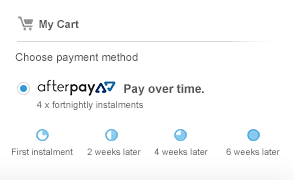

Use your existing debit or credit card

No long forms, instant approval online

Pay fortnightly, enjoy your purchase straight away!
All your need is:
1) An Australian Visa or Mastercard debit/credit card; 2) To be over 18 years of age; 3) To live in Australia
To see Afterpay's complete terms, visit https://www.afterpay.com.au/terms
© 2026 Afterpay


